

During the night of 20 August, a series of devastating missile and drone strikes began hitting the capital, Kyiv. A school and a children’s hospital were destroyed in the attacks, and at least 16 people were killed and 33 injured in what is described as the most massive air attack on Ukraine’s capital since the start of the war.
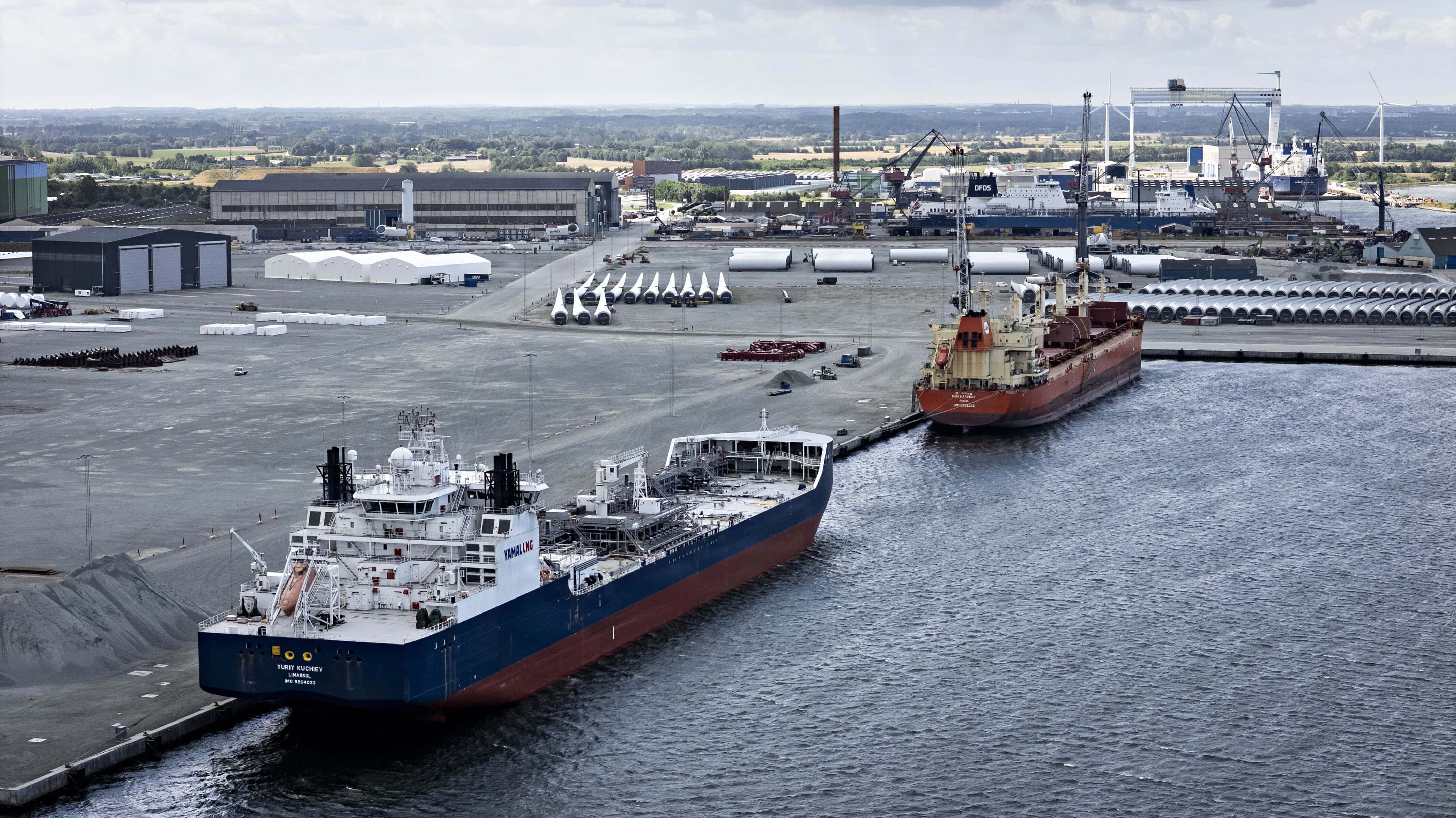
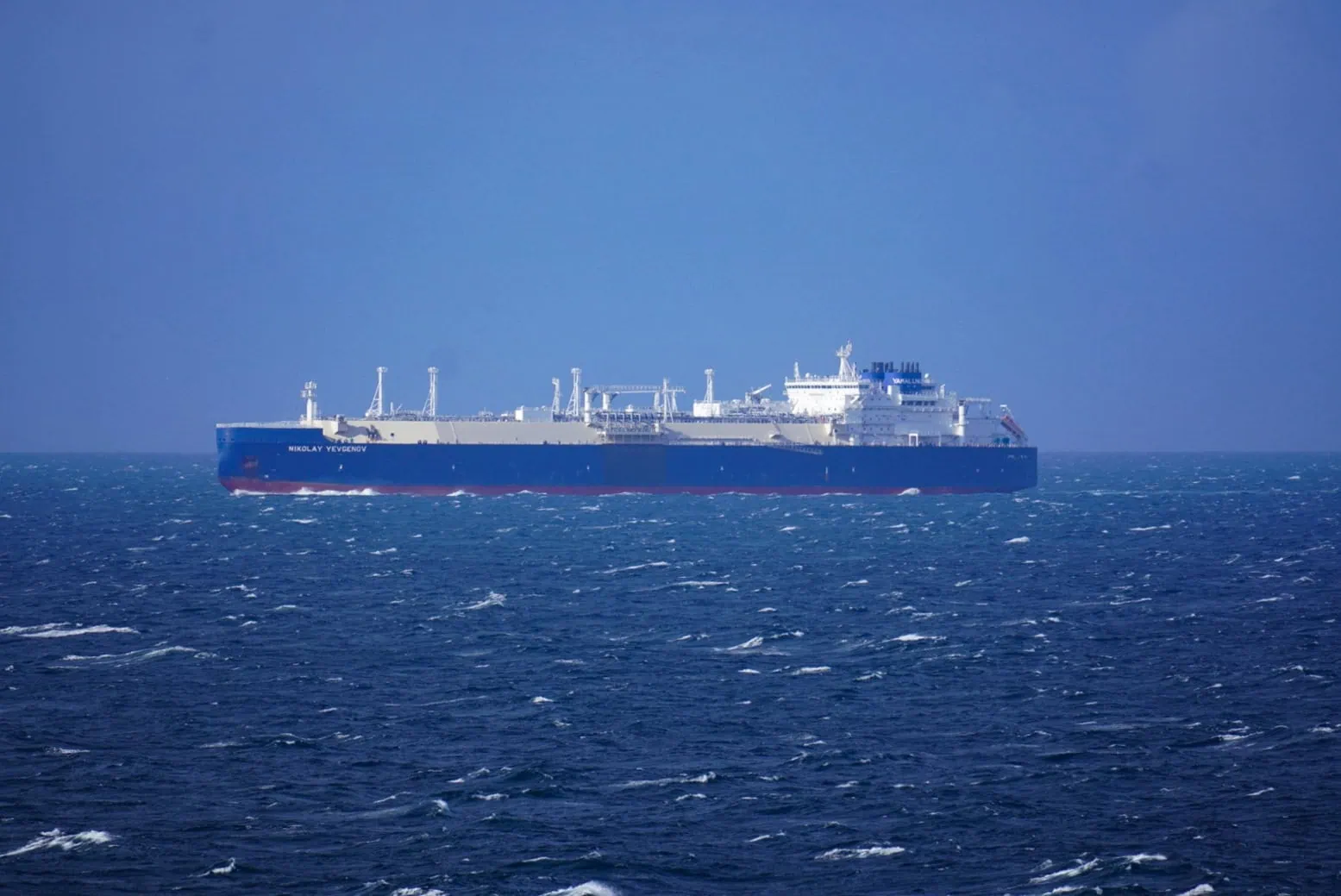
As Russia has intensified its attacks on Ukraine in recent weeks, the Danish shipyard Fayard continues to service gas carriers that transport millions of tonnes of Russian liquefied natural gas (LNG) through the Arctic.
Right now, a new vessel transporting Russian gas is located close to the shipyard at Odense Harbour. This is revealed by vessel data analysed by Danwatch. It is the 299-metre-long vessel Boris Davydov, which sails under the Cypriot flag and belongs to the Yamal LNG fleet.
According to the German NGO Urgewald, the vessel has transported 3,653,256 tonnes of Russian LNG across 50 cargoes since it was last in for maintenance at Fayard in August 2023. According to Urgewald’s analysis, this amounts to a total market value of €1.91 billion, equivalent to around DKK 14 billion.
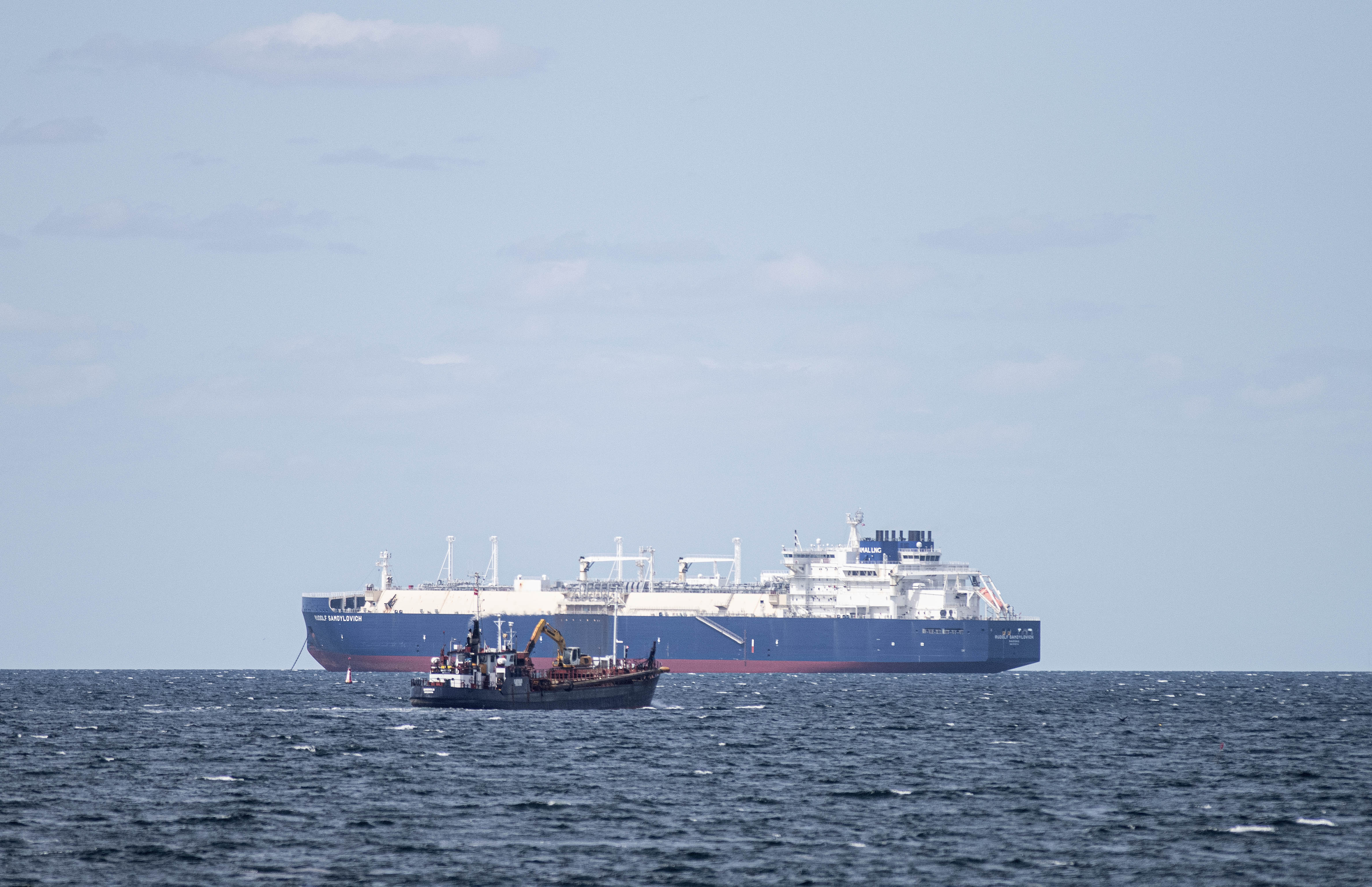
It is the third vessel carrying Russian gas to be serviced within two months. At the end of June, the vessel Rudolf Samoylovich arrived at Odense Harbour and was serviced. Around three weeks later, it was the gas tanker Georgiy Brusilov that docked.
The Danish shipyard has long been criticised for repairing LNG vessels that sail with Russian gas, because experts and a wide range of Danish and European politicians believe it contributes to Russia’s war against Ukraine.
Among others, Prime Minister Mette Frederiksen (S) last year called it “incomprehensible” that a Danish shipyard services vessels sailing with Russian gas. In July, 105 Members of the European Parliament criticised Fayard for carrying out repair work on the vessels, including the Danish members Christel Schaldemose, Stine Bosse and Villy Søvndal.
The German NGO Urgewald has also criticised Fayard and told Danwatch it is deeply problematic that the shipyard still maintains the vessels.
“Fayard has the opportunity to create real problems for Russia’s Arctic LNG business and thereby increase the pressure on Russia. Instead, Fayard is, strictly speaking, making money from the war in Ukraine, because the entire market for maintaining Arc7 tankers has been left to them,” he told Danwatch.
Last year, the vast majority of liquefied natural gas from the giant Russian Yamal facility went to the EU, and the Kremlin earned around €7.2 billion—equivalent to around DKK 53 billion—from exporting LNG to the EU. The trend continues, and imports in January this year are 8 percent higher than last year. This is shown by figures from the German NGO Urgewald.
According to Urgewald’s analysis, two other LNG tankers operating for the Yamal LNG project in the Arctic are due to be serviced this year.
Fayard rejects the criticism
At present, Fayard is not doing anything illegal. It is only from January next year that it will become illegal for Fayard to provide servicing to vessels sailing with Russian gas. The EU’s new sanctions package, adopted on 23 April, will restrict Russia’s gas and oil projects and thus also the servicing and maintenance of tankers and icebreakers that transport liquefied natural gas.
But Sebastian Rötters of Urgewald and several politicians have long been unable to understand why Fayard does not itself choose to stop that part of the business on ethical grounds.
In 2025, the French shipyard Damen Shiprepair, which is Dutch-owned, decided to stop servicing Arctic LNG tankers because of the war in Ukraine. The company justified the decision by saying it wanted to follow the Dutch government’s line, which advises companies against supporting Russian LNG exports.
Danwatch has asked Fayard why it services the vessels despite the criticism. Fayard points out that it complies with all applicable rules, and that its servicing of the vessels will cease after 2026, when imports of LNG to Europe from the Yamal facility stop.
“We follow the decisions politicians make. Fayard does not do business with Russia. The EU does, by buying Russian LNG. Over the past four years, the EU has chosen to import record volumes of LNG from Yamal for Europe’s energy supply, and for that gas to reach Europe, there is a need for the vessels carrying it to be serviced in order to ensure maritime safety in European waters and ports,” the written response says.
Danwatch has also asked why Fayard chooses to continue when the French shipyard Damen Shiprepair in Brest last year chose to stop servicing Arctic LNG tankers because of the war in Ukraine. Fayard has not responded to this.