

Part of an investigation
This article is a part of the investigation Russia’s European Money Machine
- Russian oil, gas, steel and other raw materials are a central part of the country’s economy and contribute to the revenues that keep the war economy running.
- Despite extensive sanctions, Europe still plays an important role in the value chain that generates Russian export revenues. This happens through shipping, financing, services and corporate structures with links to European countries, including Denmark.
- Danwatch is investigating how Western companies form part of Russia’s economic circuit, which Danish and European links can be documented, and who keeps Russia’s money machine running—and profits from it.
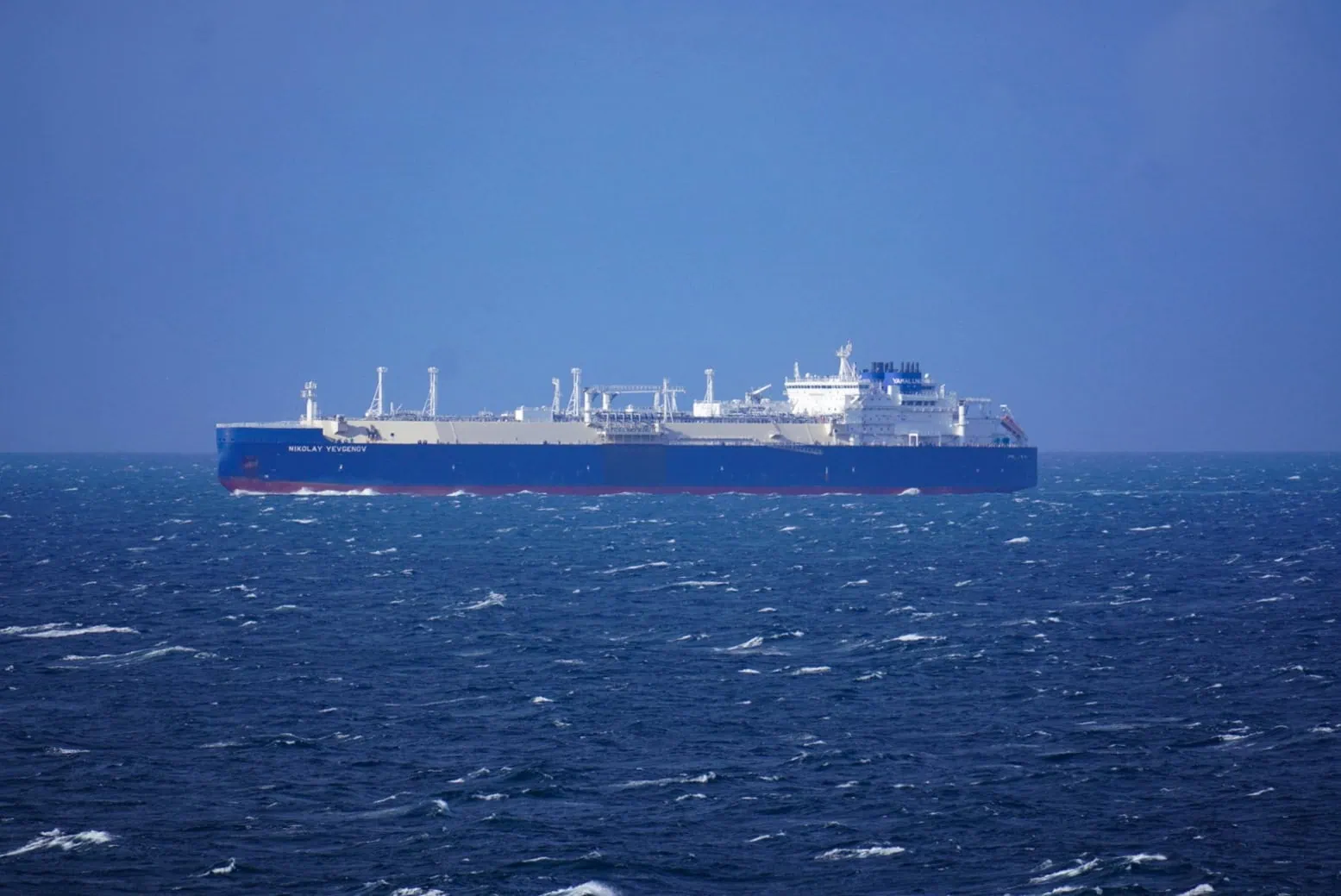
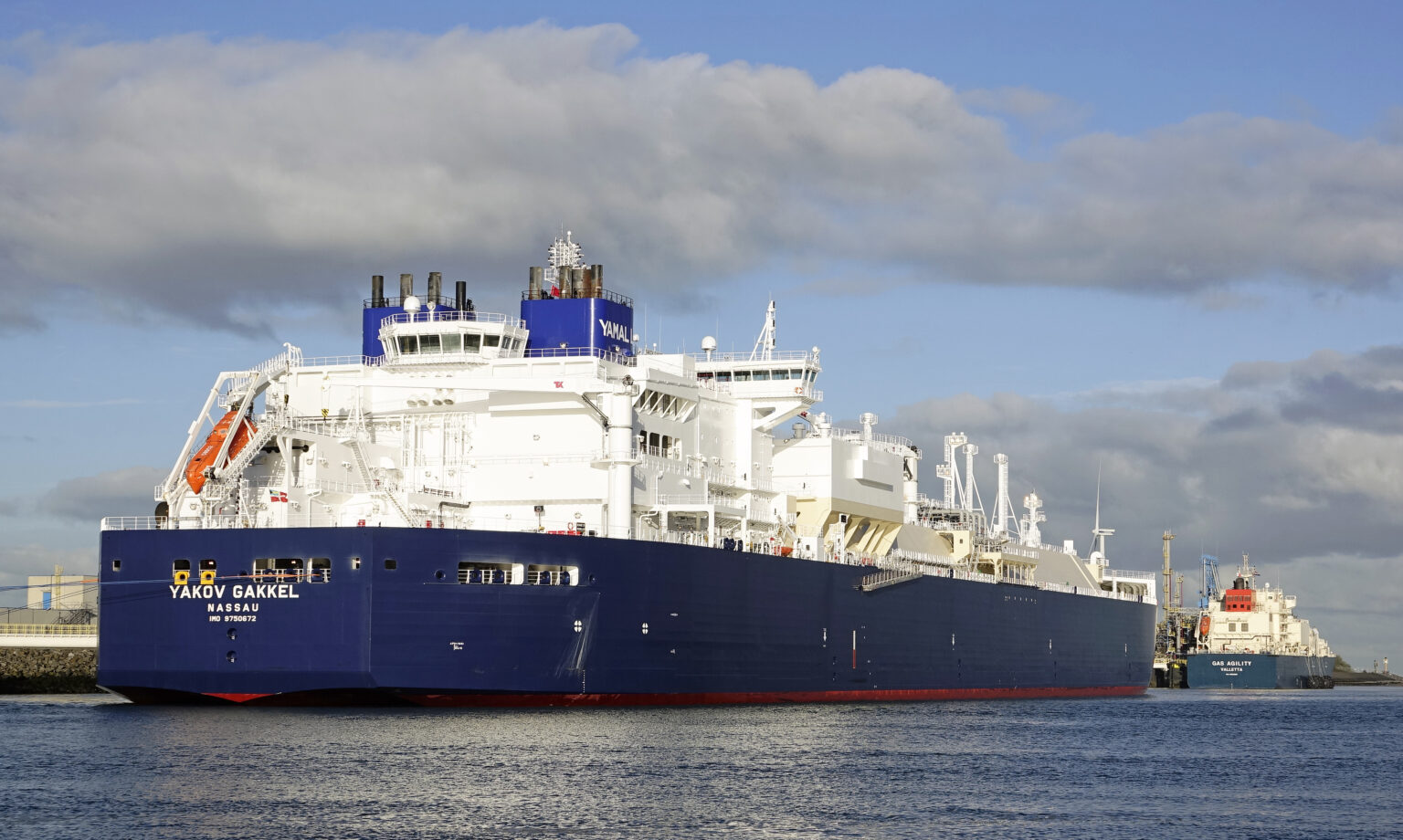
After the UK and the EU announced new sanctions, the global shipping company Seapeak in April moved the operation of six purpose-built LNG tankers carrying Russian gas from Scotland to a Singapore company owned via Seapeak Maritime Holdings (Denmark) A/S in Copenhagen.
Now, the Danish Maritime Authority tells Danwatch that the new Danish ownership structure behind the tankers’ operation from the turn of the year is at odds with the EU’s forthcoming rules.
The rules are intended to stop Russian gas exports, a key economic component that helps finance the country’s war against Ukraine – a war the UN General Assembly has condemned.
The Authority states that both the tankers and the commercial operation that Seapeak is responsible for may be covered by sanctions against Russia.
“From 1 January 2027, it will be prohibited to provide technical assistance to LNG vessels for use in, or operating in, Russia,” the Danish Maritime Authority writes to Danwatch.
According to the Danish Maritime Authority, technical assistance to LNG tankers operating in Russia also includes operating the Russian cargo on the vessels – precisely the task the Danish-owned Singapore company is now handling.
“Ship management is not explicitly stated in the prohibition. However, the prohibition on ‘technical assistance’ is also assessed as potentially covering ship management,” the Authority writes in the email.
The Authority’s interpretation of the forthcoming rules is therefore that the commercial operation, or ship management as the Authority itself calls it, could hit the Danish holding company in the US-controlled Seapeak group.
Russian gas worth DKK 10bn
Since the Danish-owned Seapeak company in Singapore took over operations, the six vessels have carried Russian liquefied natural gas worth around DKK 10bn.
This is shown by a calculation carried out for Danwatch by the German NGO and campaign organisation Urgewald.
The decision to move the vessels’ operation to Danish ownership was already communicated to the financial markets in March. This is shown by a filing from the Seapeak group to the US financial regulator, which Danwatch has reviewed.
“In October 2025, the EU announced that imports of Russian LNG into the EU under long-term LNG supply contracts will be prohibited (…). As a result of these announcements, we expect that we will need to restructure our activities,” Seapeak wrote in the statement.
The decision to move the vessels’ operation out of Europe was implemented, and it ultimately ended with the shipping company’s Danish holding company, through its ownership of Seapeak Maritime Singapore, being used for the purpose.
Sanctions experts agree with the Authority’s assessment
Sanctions experts have previously told Danwatch that Danish companies responsible for subsidiaries outside the EU that they own or control are also covered by sanctions against Russia.
“Under the so-called best efforts principle, EU companies must do what they can to ensure that companies outside the EU that they own or control do not undermine the sanctions,” Jeff Nielsen, a lawyer specialising in international sanctions, has previously said.
Under the so-called best efforts principle, EU companies must do what they can to ensure that companies outside the EU do not undermine the sanctions


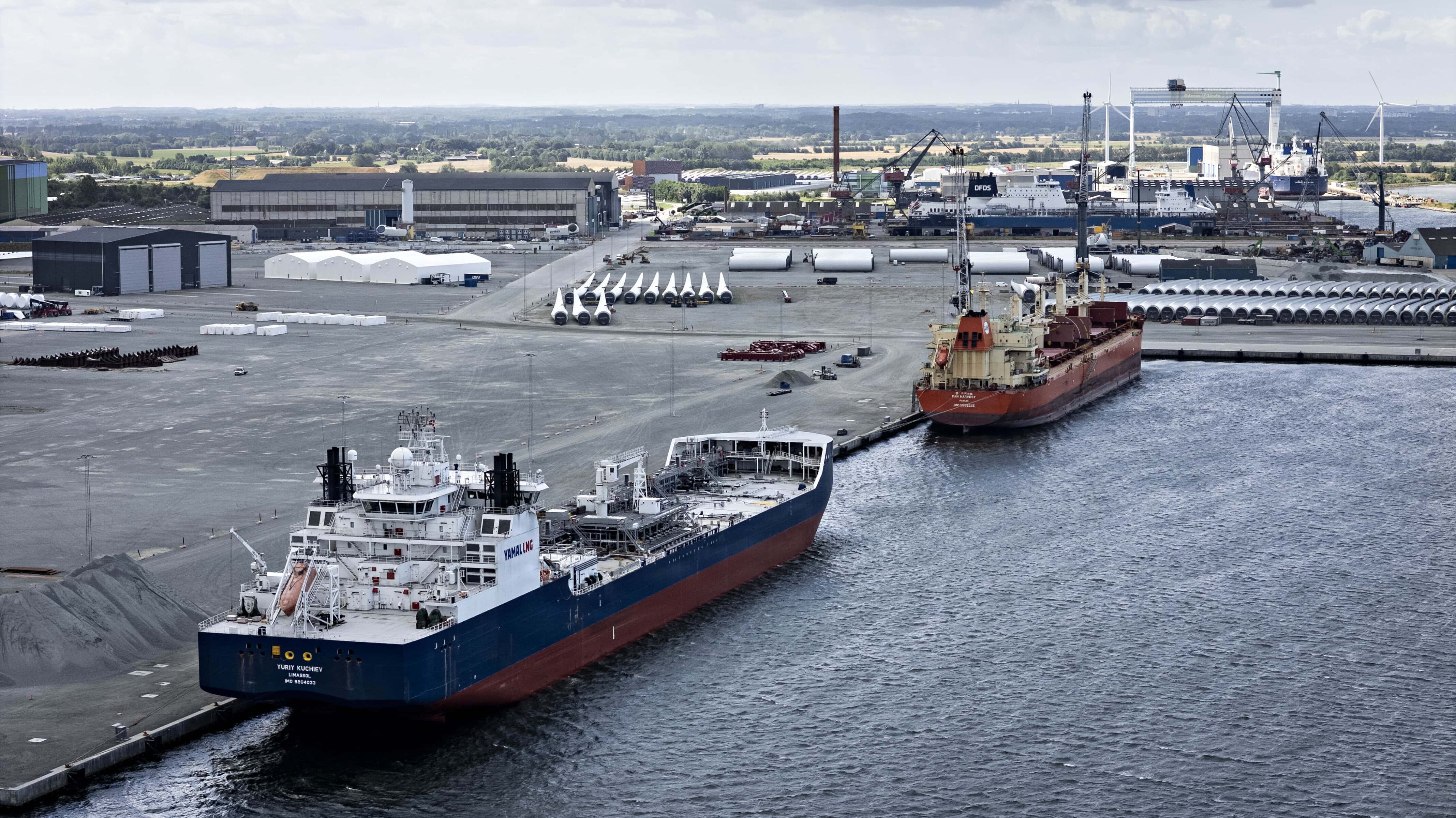
And Seapeak’s involvement with the vessels is very current. Last month, Seapeak sent the tanker Nikolay Yevgenov for servicing at the Danish shipyard Fayard.
Before that, the vessel had unloaded around 73,000 tonnes of Russian LNG in Dunkirk, France, and then sailed directly on to the yard in Odense Fjord.
Seapeak’s management in Denmark has not answered a number of questions about whether the ownership and the current structure via Denmark will continue from Singapore after 1 January 2027.
Increased political pressure on Seapeak
Prime Minister Mette Frederiksen (S) has previously linked Russian energy revenues directly to Putin’s war economy, while Foreign Minister Lars Løkke Rasmussen (M) has said he would have liked to see an earlier stop to Danish assistance to Russian LNG vessels.
Niels Flemming Hansen (C), a Member of the European Parliament for the European People’s Party, has also criticised Danish involvement in the Russian gas business.
Now, current Member of the European Parliament Villy Søvndal (SF) is also directing a blunt criticism at Seapeak for carrying out tasks that generate revenue for Russia.
“Even if this were legal, it is not legitimate,” Villy Søvndal says.
“The sanctions are the lowest common denominator the 27 very different countries can agree on. They are not a moral answer key for European companies,” he adds.
The former foreign minister also believes that Seapeak’s management should explain why the company remains involved.
“When we tighten sanctions, companies’ response should not be to look for loopholes. I think management owes a very good explanation as to why they still want to be involved in this business,” Villy Søvndal says.
Seapeak has not responded to Danwatch’s request for comment on the criticism.