

Do you have a tip?
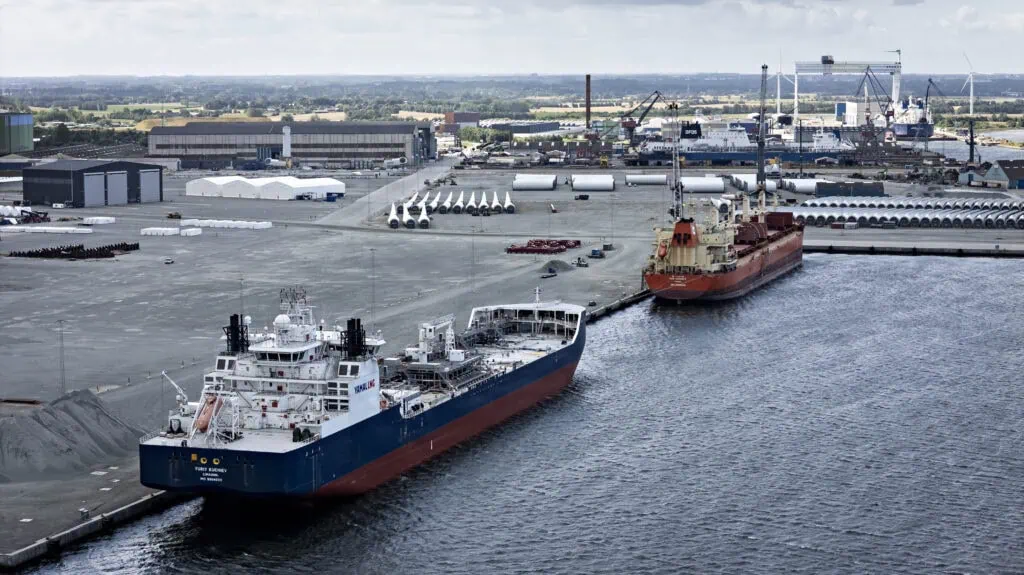
Although the Funen shipyard Fayard has been criticised by the Prime Minister, 100 Members of the European Parliament and NGOs for servicing tankers carrying Russian gas (LNG), the yard is continuing as long as it is possible within the law and the sanctions framework.
That was the message in August from the shipyard, which is owned by Danish billionaire Thomas Wilkens Andersen, to Danwatch.
And he is keeping his word. Right now, another LNG tanker carrying Russian gas is in dry dock at the yard because new EU sanctions in the area will not take effect until 1 January 2027.
The case has now landed with the European Commission, which within six weeks must answer why the Funen shipyard is still servicing the vessels, despite the EU’s wish to stop Russia’s billion-euro revenues from LNG.
It is the European People’s Party (EPP Group), the largest centre-right group in the European Parliament, that has raised the issue with the European Commission. They are calling for an immediate stop to Fayard’s servicing of the vessels.
Niels Flemming Hansen from the Conservative People’s Party, who is a member of the European People’s Party, acknowledges the dilemma, and that is why he has helped raise the demand at EU level.
“It obviously makes no sense that European companies can still help keep Russia’s LNG exports running while Russia is waging war in Ukraine and challenging our security in Europe,” he says.
It makes no sense that European companies can still help keep Russia’s LNG exports running


Fayard rejects the criticism
The Danish EU politician wants the sanctions date brought forward and is also urging Fayard to voluntarily stop helping the vessels. Fayard’s servicing of the vessels helps generate gas revenues for Russia.
“Until any accelerated ban is in place, the authorities must of course keep a close watch to ensure that the current sanctions are complied with. But companies do not have to wait for new rules. They can already choose to say no to assignments that help keep Russia’s war economy going,” he tells Danwatch.
Fayard rejects the criticism and believes the responsibility lies with the EU.
“Fayard supports the EU’s sanctions against Russia. In the latest 21 sanctions packages, the Commission has exempted Russian LNG, because the EU has an energy supply problem and continues to import Russian LNG. It is a dilemma that the EU is fully aware of,” Fayard writes in a written reply to Danwatch.
The shipyard urges politicians to act themselves and change the sanctions if they want to stop gas imports from Russia,
“If there are EU politicians who want to change the rules in the EU, they can appropriately start by putting pressure on the Commission. Moreover, the EU has adopted a stop to imports of Russian LNG from January 2027, which we of course support,” Fayard writes in the email.
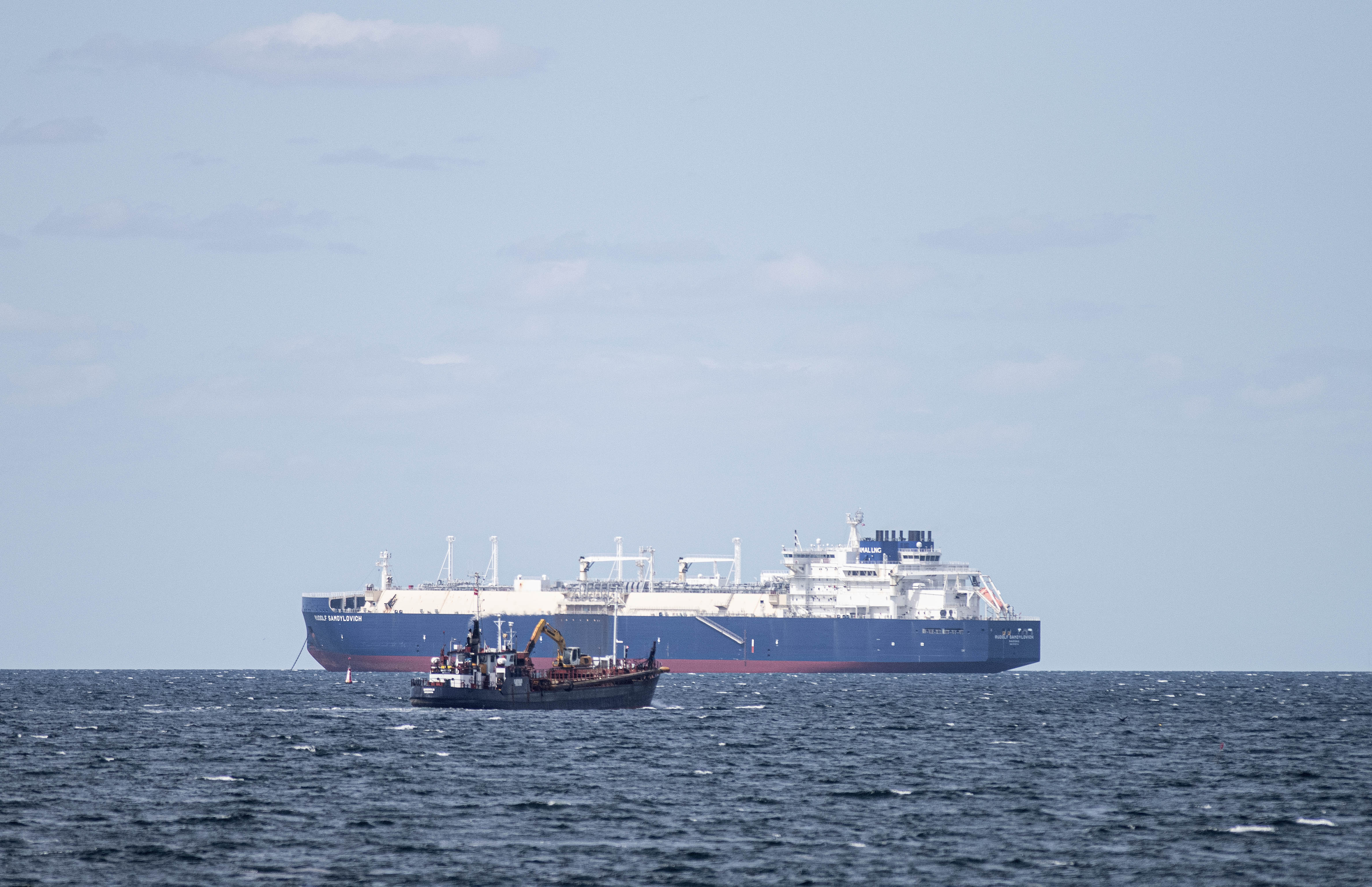
In August, Danwatch reported that another tanker, Boris Davydov, built to transport Russian gas, had arrived on Funen to be serviced and prepared for new shipments.
The vessel is purpose-built to collect gas from the gigantic Yamal facility in northern Russia in the Arctic. Yamal is one of Russia’s largest LNG plants.
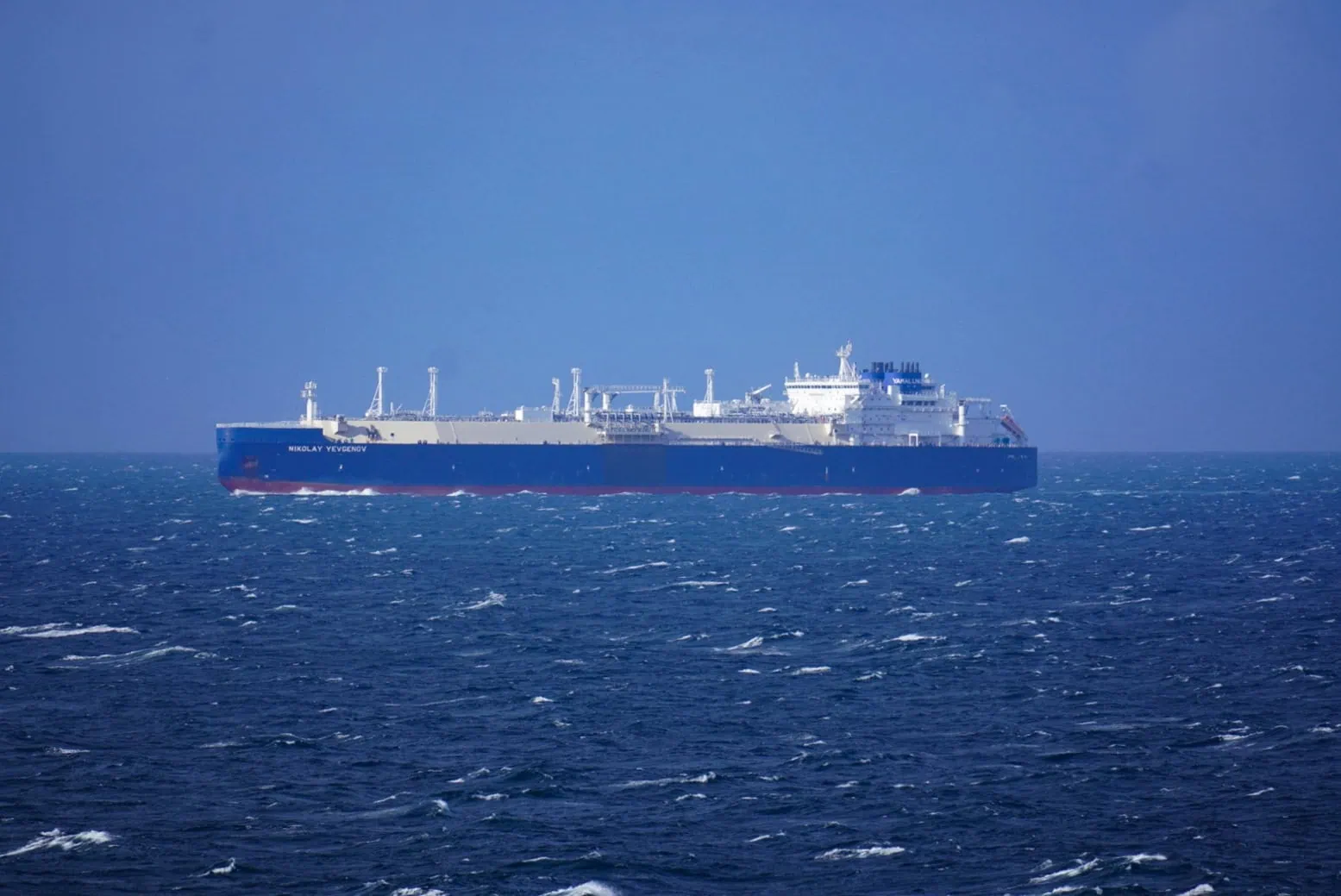
Right now, at the time of writing, the LNG tanker Nikolai Yevgenov is in Odense Fjord being serviced by Fayard, which expresses support for the view that it is EU politicians who must act.

Servicing today is revenue for Russia tomorrow
According to the Czech politician Tomas Zdechovsky, who also belongs to the European People’s Party and is the man behind the appeal to the Commission, it is crucial to implement the sanctions faster.
“Arc7 vessels are highly specialised and crucial for exports from Yamal. If they undergo major maintenance in Europe today, they can remain in operation for years,” says Tomas Zdechovsky.
If the vessels undergo major maintenance in Europe today, they can remain in operation for years

“The aim is to prevent European funds, technology and services from contributing to energy revenues for the Russian state as long as the war against Ukraine continues,” he says.
The German NGO Urgewald estimates that one more tanker from the Yamal fleet will need servicing before the end of the year, and they may therefore be forced to find another shipyard far from Europe if the Commission ends up following the European People’s Party’s call.
“When dry docking is only required about every 30 months, maintenance carried out today can keep a ship transporting Russian LNG all the way until 2029,” says Sebastian Rötters, sanctions campaign lead at Urgewald.
Fayard’s servicing therefore extends, according to Urgewald, the vessels’ lifespan and keeps Russian gas revenues alive many years into the future.
And that is a problem, says the Conservative People’s Party’s Niels Flemming Hansen as well.
“The EU should therefore bring forward the ban on servicing the vessels in question as much as is legally possible. At the same time, it is crucial that the rules are clear, can be enforced effectively and apply equally to all companies in the EU,” says Niels Flemming Hansen.
An estimate from the German NGO Urgewald shows that European countries this year have bought LNG from the Yamal facility for €7.28 billion. That is more than all of last year.
On 23 April this year, the EU adopted further sanctions against Russia targeting the servicing and maintenance of LNG tankers. But a phase-in arrangement means that Fayard will not have to stop its business with the Yamal fleet until the new year.
Fayard is the last shipyard in Europe that, despite the massive criticism, is insisting on its right to service the vessels as long as it is legal.
Gas is a major source of revenue for Russian President Vladimir Putin’s war economy in the conflict with Ukraine.