


Part of an investigation
This article is a part of the investigation The Nuclear Files
- Through systematic research in open-source databases, Danwatch has collected more than two million documents linked to Russian military procurement.
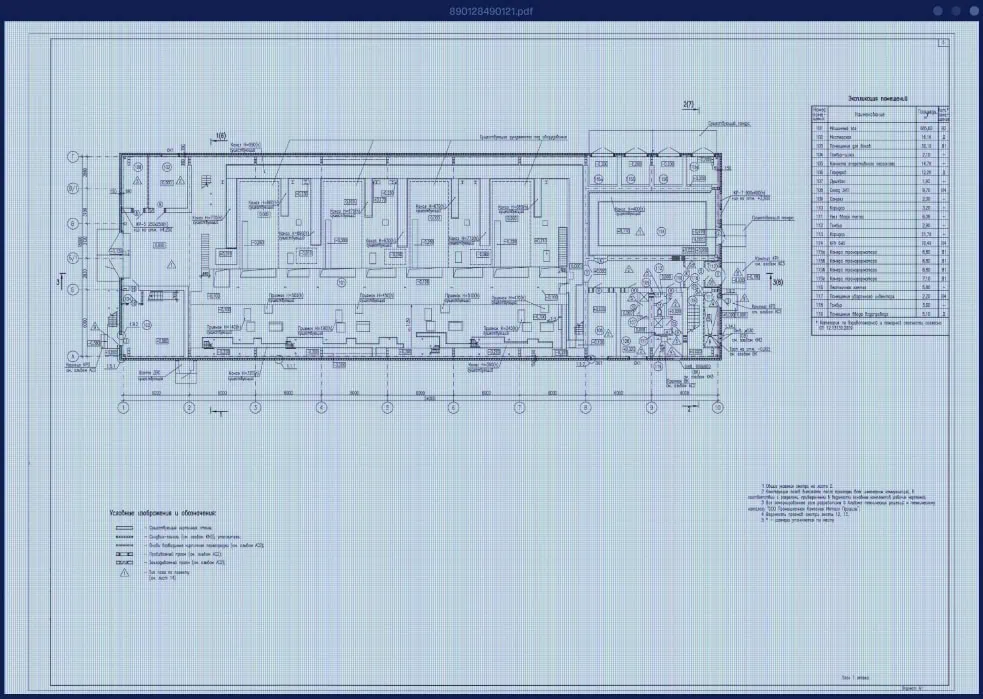
- The trove of documents contains hundreds of original blueprints detailing the layout of several Strategic Missile Forces bases across Russia.
Among the documents are hundreds of original floor plans of Strategic Missile Forces bases across Russia. - It offers unprecedented insight into President Putin’s massive modernization of some of the world’s most highly secured nuclear weapons facilities — a process in which several Western companies turns out to have played a key role.
In 2018, something big began to stir far out in the central Russian wilderness.
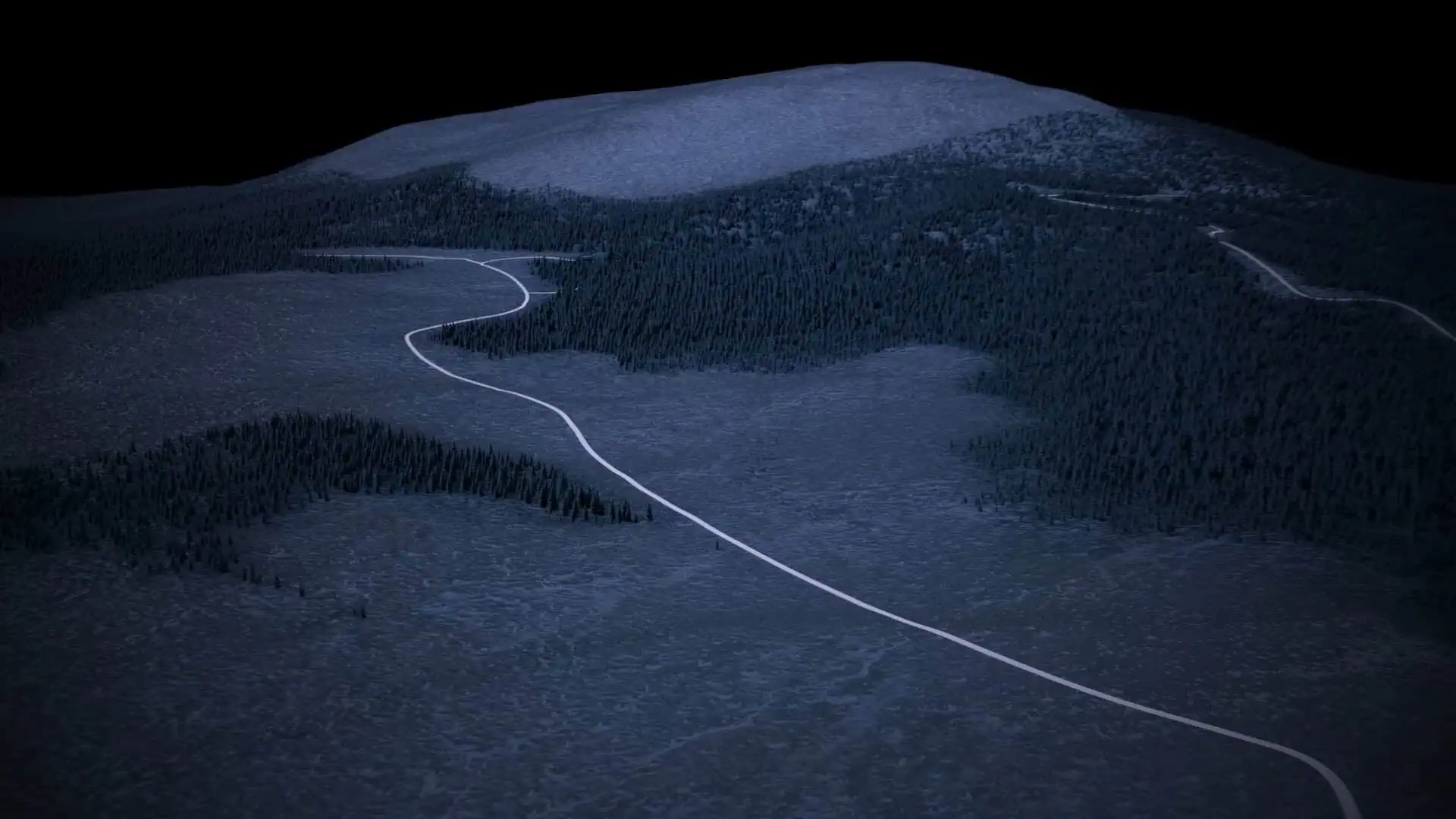
Along a newly built road, trucks began shuttling back and forth through the hostile, endless forest landscape towards a small, isolated village at the foot of Russia’s Ural Mountains.
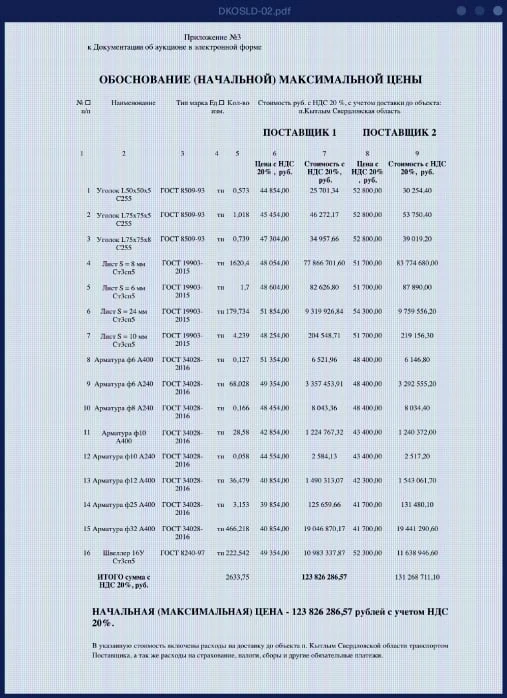
They carried large quantities of building materials: steel, cement, electrical cables, transformer stations and insulation. Some were loaded with advanced rock-drilling equipment and ventilation systems designed for mines. Others carried protective equipment for chemical and radioactive materials.
For the first time, Danwatch, in collaboration with The Sunday Times and Dossier Center, can reveal that the Russian military has been working intensely to expand and upgrade the top-secret “Object 1335”—a gigantic command bunker hidden deep inside a mountain and one of Russia’s most important state secrets.
The revelation builds on extensive research in more than two million documents from Russian military procurements, which Danwatch systematically collected from a public database over many months during 2024. The Russian authorities have repeatedly tried to restrict access to the database, but we managed to obtain the documents using a series of complex computer scripts and a network of servers in Russia, Kazakhstan and Belarus.
The documents show that starting in 2018, the Defence Ministry in Moscow began placing thousands of individual orders for materials to Object 1335, and that the military during the following years until 2024—and possibly even late—has expanded and fortified the underground complex, from where the Russian forced will be able to command a nuclear war.
According to leading experts and senior sources in the Russian military, the purpose of the work on Object 1335 has been to equip the facility with a modern version of a notorious Cold War system which, with a high degree of automation, can bypass normal command channels and communicate directly with the missiles that carry nuclear warheads.
The sources describe the system as the crown jewel of Russia’s nuclear deterrent: the central node in a nuclear retaliation system designed to relay launch orders across Russia to every missile in the country’s nuclear arsenal if Russia is ever subjected to a surprise attack.
The system’s technical name is Perimetr. In the West, it is known as the Dead Hand.
Based on years of research, the revelation now prompts some of the world’s leading experts to sound the alarm. The system, originally built and activated in the mid-1980s, is a product of the extreme Cold War paranoia that prevailed at the time. For that reason, it raises serious concerns that Moscow is once again using the system at a time of renewed conflict between East and West.
Presented with our research, Jeffrey Lewis, a lecturer in nuclear disarmament and arms control at Stanford University and one of the world’s leading experts on nuclear security policy, is convinced the findings are indeed real.
“The simplest explanation is that the Russians are probably putting the Dead Hand back into operation. It’s a big claim, but sometimes things are what they look like,” he says.
“This is known to be the command centre for the Strategic Missile Forces. And it’s where the Dead Hand is headquartered. So the fact that it is apparently being heavily revamped and going back into operation suggests it’s going to do what it was designed to do in the first place. There are a lot of signals coming out of Russia that the Dead Hand might be put back into operation, particularly because I think Russia is worried about a number of US capabilities,” says Jeffrey Lewis.
Tom Røseth, expert on Russian security policy and chief instructor in intelligence studies at the Norwegian Staff College, also believes everything suggests that Perimetr has been modernised with new technology. However, he places great emphasis on the fact that the system was designed for retaliation and not for a first strike, and therefore he primarily sees the modernisation in the mountain as a form of protection.
“It suggests they are securing the facility against all kinds of attacks,” he says.
He points out that the United States has developed powerful “bunker buster” type weapons that can hit heavily protected targets deep underground. The Americans have used such weapons in the war against Iran, where even deep underground facilities were hit and damaged.
“To protect Object 1335 and the command-and-control facilities of the nuclear forces, they therefore have to dig even deeper and reinforce the site even more,” says Tom Røseth.
Hard to believe
Perimetr was originally designed in the 1970s as an extreme element of what became known as Mutually Assured Destruction—a strategic doctrine intended to prevent the great powers from attacking each other with nuclear weapons, because an attack on the opponent would inevitably mean being hit just as hard yourself.
As a kind of ultimate insurance policy, Russian scientists built a complex system intended to guarantee nuclear retaliation in the case that Russia’s political and military leadership were wiped out in a surprise attack.
If the Kremlin received warning that hostile nuclear missiles were incoming, the leadership would have only a few minutes to decide whether the threat was real and whether to order a counterstrike before the missiles would hit.
With Perimetr, they could instead delegate the decision to the protected bunker Object 1335, from which the system would monitor whether the country was in fact under attack. If contact with the leadership was cut and the system detected seismic tremors and radiation indicating a nuclear detonation on Russian territory, the soldiers in the bunker would be able to launch an all-encompassing retaliatory strike.
This delegation of the launch order was meant to help the Kremlin cool down and avoid reacting to false alarms, of which there have historically been several.
But according to Jeffrey Lewis, the reactivation of Perimetr nevertheless represents a dramatic development, because even high up in Western intelligence services it was difficult to believe that a semi-automated system with such capabilities for destruction could have existed at all.
“Even the US intelligence community did not want to believe that Dead Hand actually existed. You can still find people from back then who worked in government who will simply refuse to believe the Soviets ever built it, even though it is thoroughly documented,” says Jeffrey Lewis.
After being presented with our research, he has consulted sources in and outside Russia, and they have, according to him, confirmed the suspicion.
“It is so hard to believe they did it the first time, and it will be very hard for people to believe they are doing it again. But I think they are.”
That assessment is supported by Andy Weber, who served as Assistant Secretary of Defense for Nuclear, Chemical and Biological Defense Programs under the Obama administration and for more than five years advised the president on nuclear weapons issues.
He also believes the evidence points to Russia having reactivated Perimetr.
“I have no reason to believe it’s not that. Putin is very paranoid about decapitation strikes. He always has been. So it makes sense that he would prioritise this.”
The complex in Mount Kosvinsky has always been a “very, very high priority” for Western intelligence services, Andy Weber says. According to him, the upgrade of the facility at Object 1335 should be seen as part of a broader build-up of Russia’s nuclear forces.
“It tracks with Putin’s increased investment in the last decade in nuclear delivery systems, warheads and command-and-control systems. Because the Russian Federation’s reliance on nuclear weapons has been increasing,” he says.
The secret inside the mountain
The wooden houses that make up the small village of Kytlym are dark and weather-beaten. Endless conifer forests and impassable terrain stretch for hundreds of kilometres in almost every direction.
The village is extremely isolated, deep in the Russian wilderness. Winters are long and harsh here, and for decades connection to the outside world has been virtually non-existent.
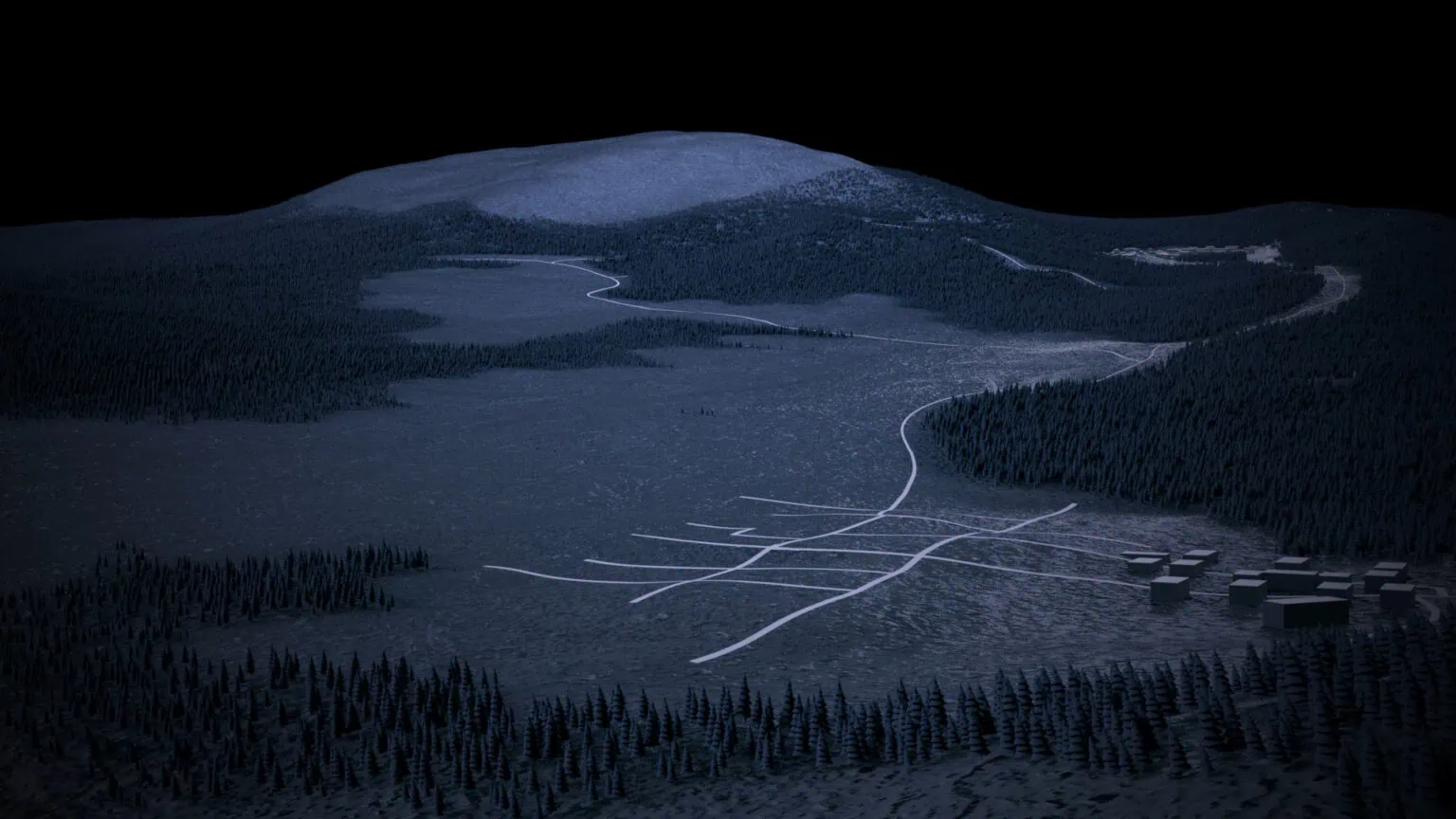
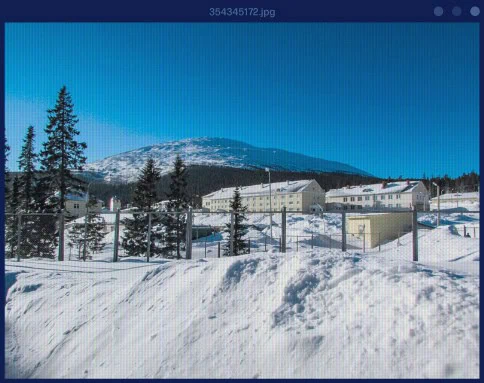
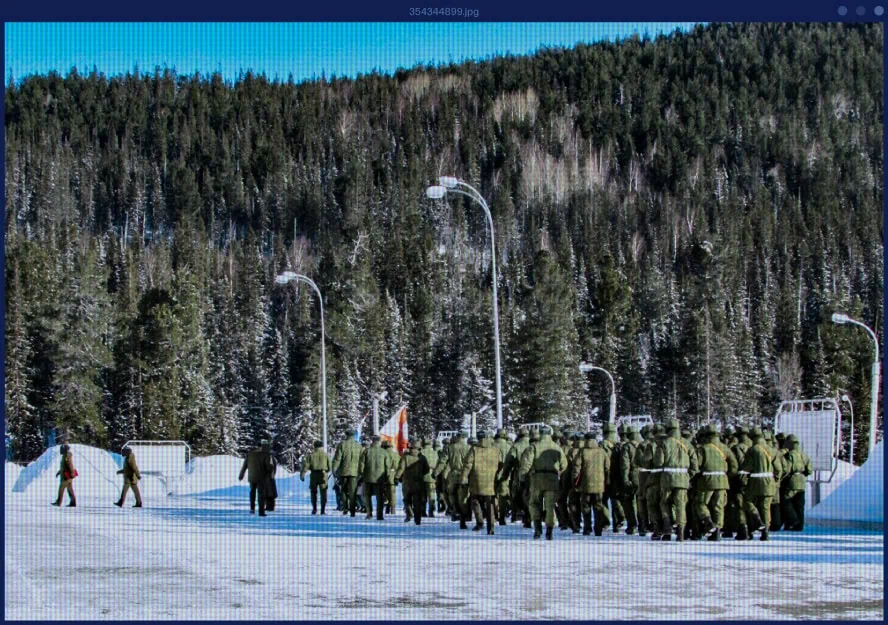
But if you follow a small road that winds from the village through the forest and past the exhausted platinum mines to the east, you are led to a small car park and a military checkpoint. Here, at the foot of Mount Kosvinsky, lies the military base that houses the special military unit 20003.
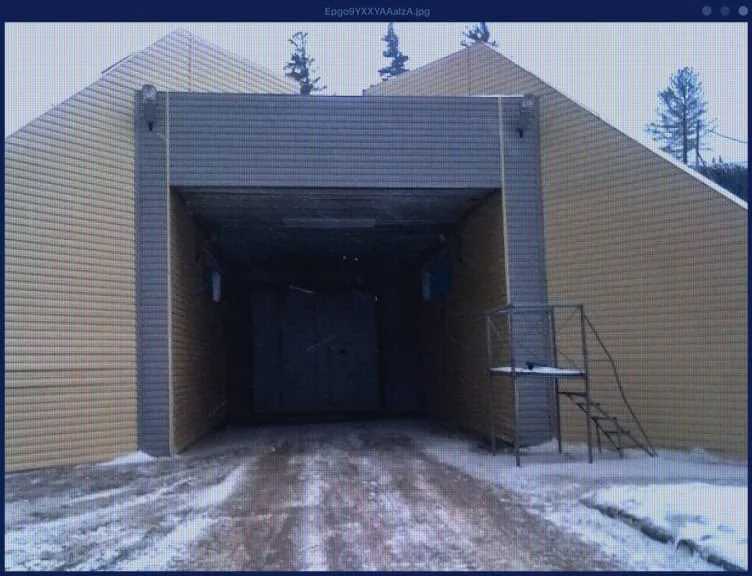
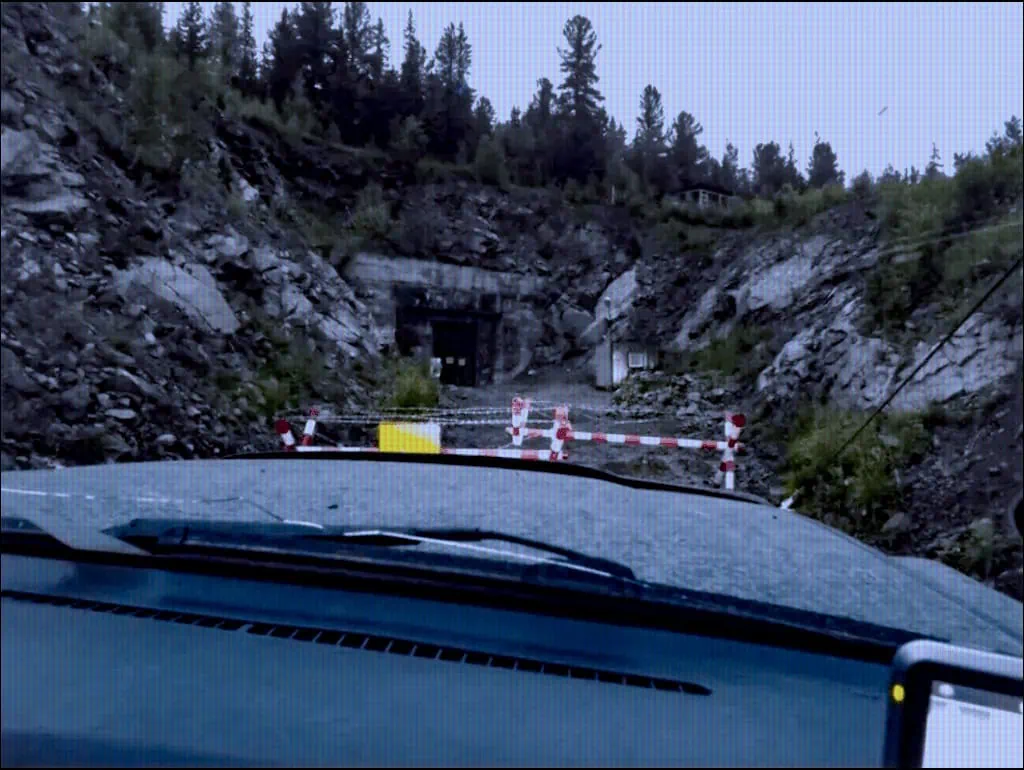
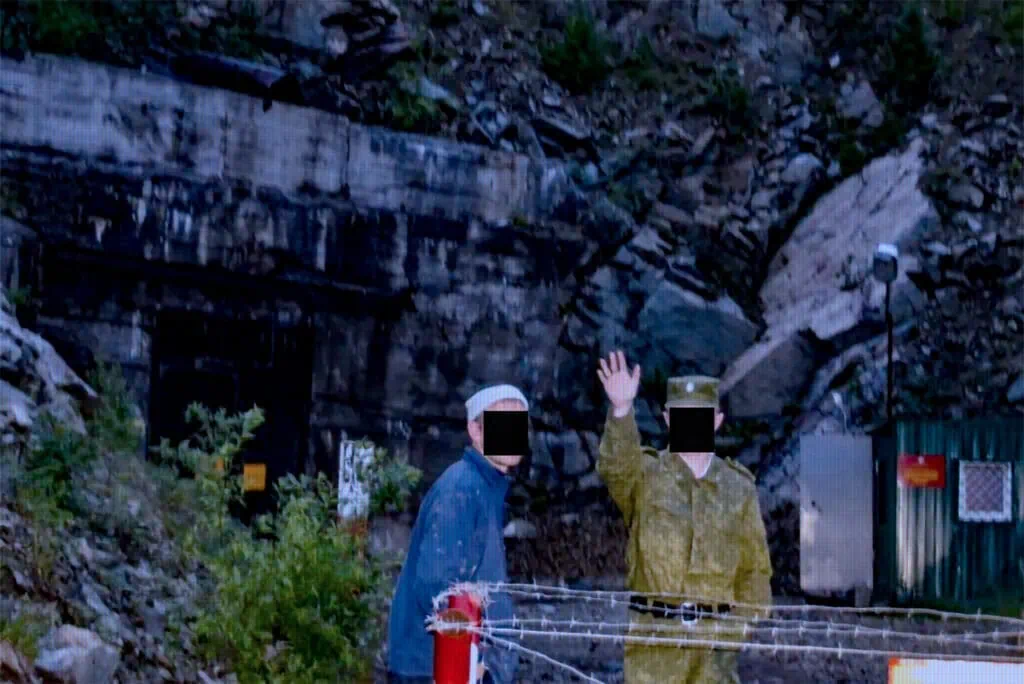
At the far end of the base, behind yet another checkpoint and next to a high-mounted machine-gun tower, a massive iron door leads into the mountain’s interior—the gateway to a vast underground complex of buildings and tunnel systems, hidden beneath several hundred metres of solid rock.
It is from this heavily protected Object 1335 that the Strategic Missile Forces will be able to coordinate and fight a nuclear war.
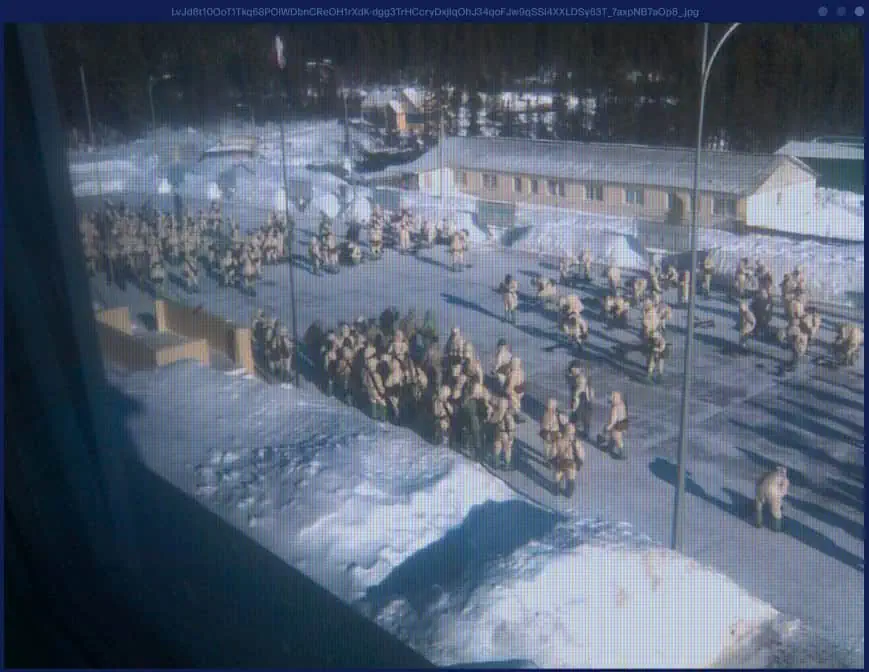
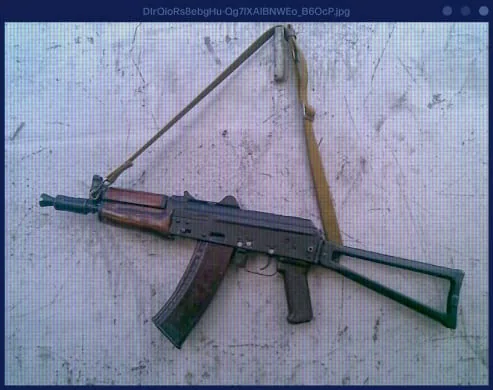
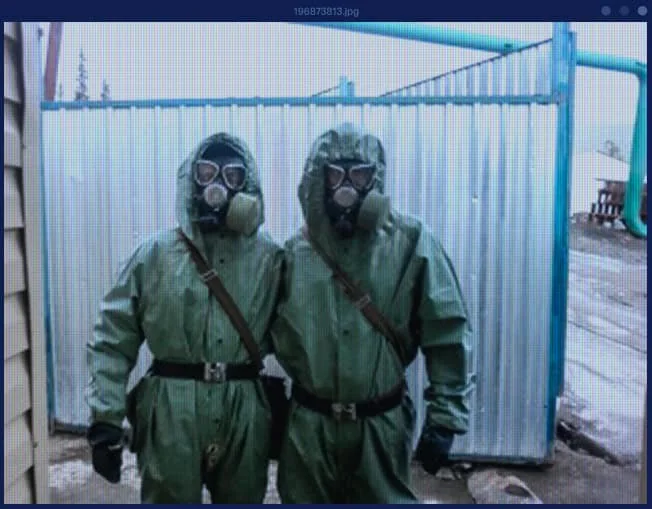
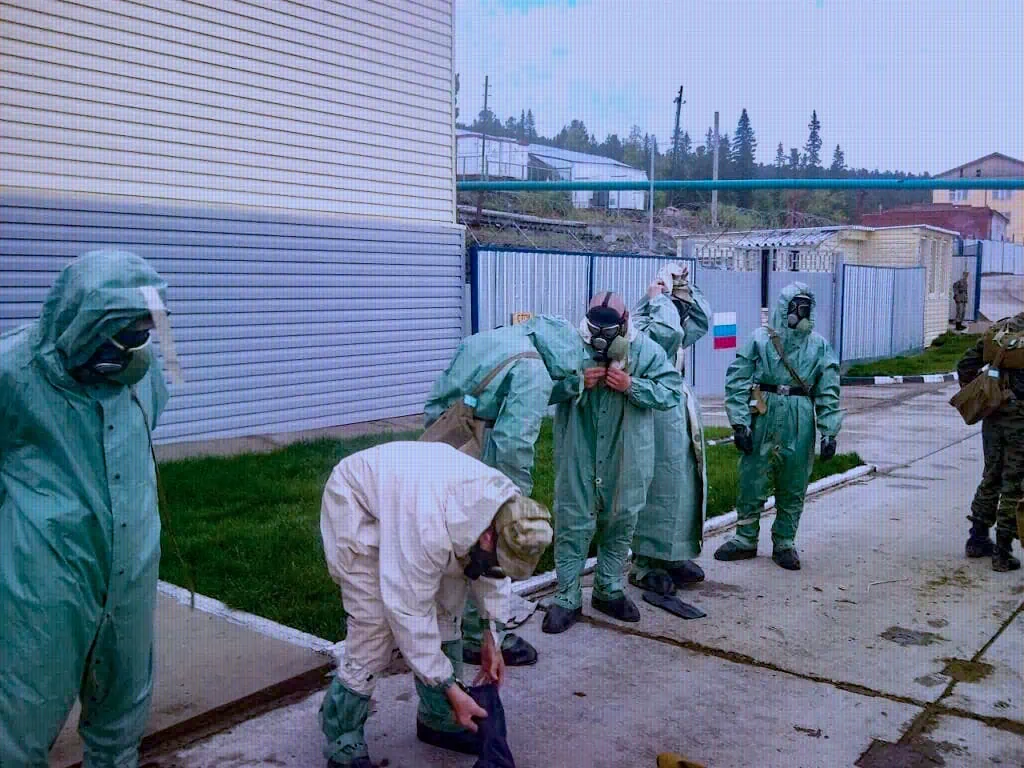
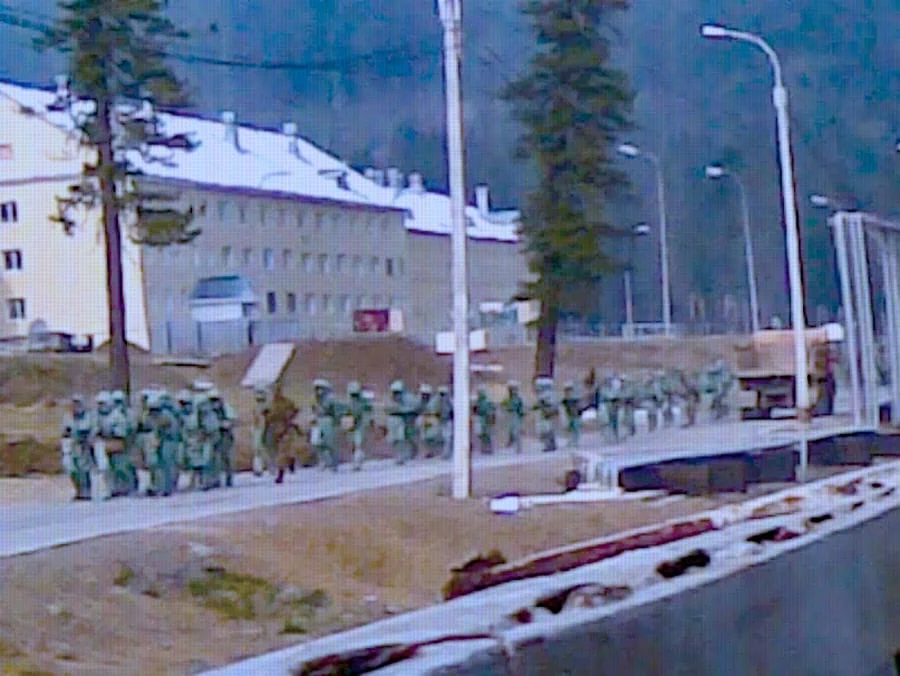
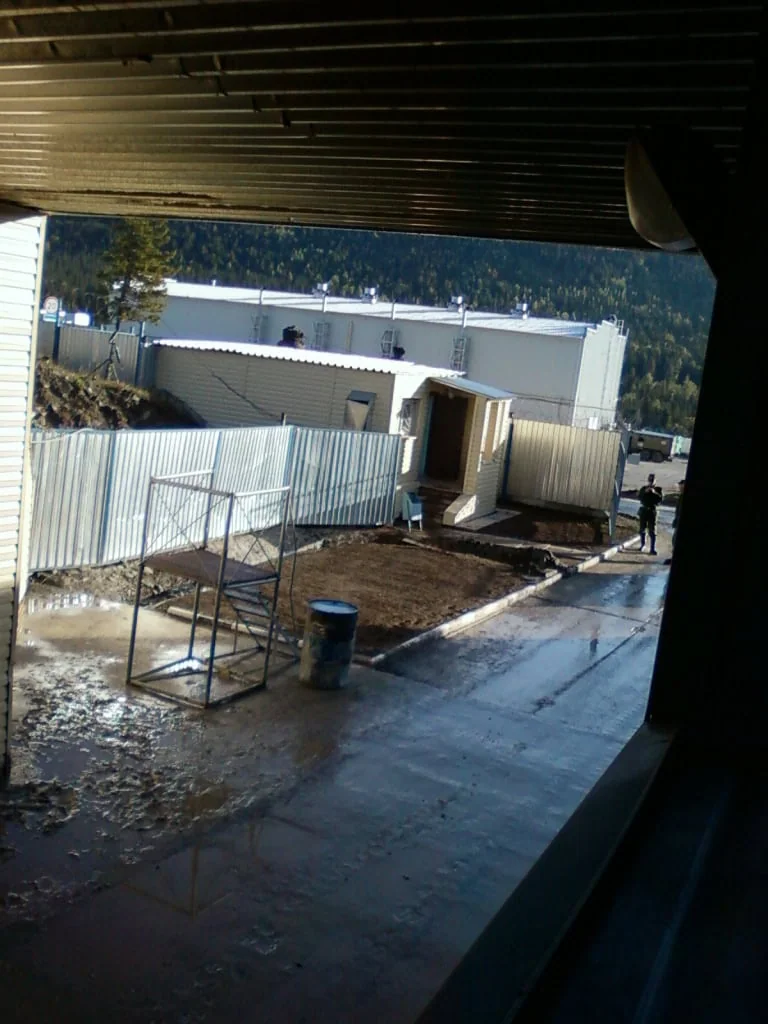
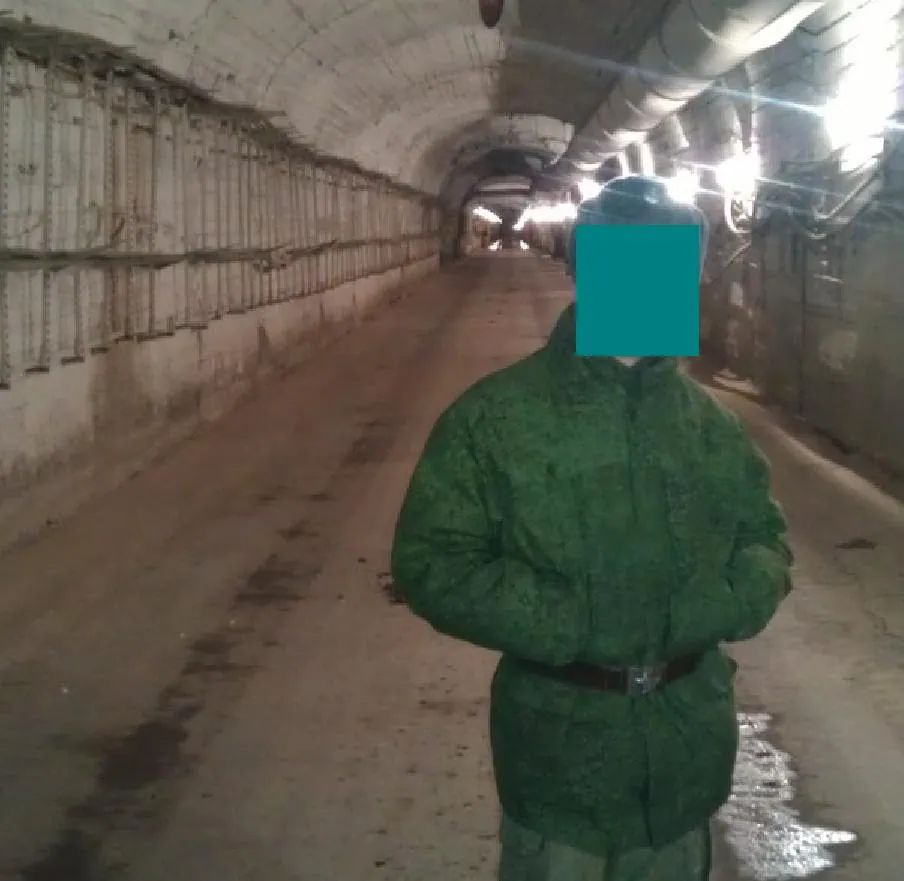
For that reason, the complex in Mount Kosvinsky is also one of the most secret places in Russia. In the more than 40 years since the first tunnels were dug in the early 1980s, not the slightest detail about the facility’s interior has leaked out. While we have managed to find hundreds of images from the military unit outside the mountain, only a single one appears to come from the tunnels inside.
But former soldiers who served in unit 20003 describe the bunker complex to Danwatch, The Sunday Times and Dossier Center as “large scale”. One even says that the distances in the tunnel system are so vast that buses run inside Mount Kosvinsky.
That is all they are willing to divulge, because these are, after all, military secrets, another explains. If they are caught talking, they could be spending a long time in prison—or worse.


Officials in Russia have occasionally hinted about the existence of the Perimetr system, including statements that the system had been activated and put into combat readiness. In 2011, the commander-in-chief of the Strategic Missile Forces, General Sergey Karakaev, confirmed Perimetr’s existence in an interview, but provided no evidence to substantiate his claim.
In August 2025, former president Dmitry Medvedev alluded to Perimetr in a Telegram post directed at US President Donald Trump. He warned of “how dangerous the fabled ‘Dead Hand’ can be”, which immediately prompted Trump to respond on his own social media platform Truth Social and re-assign two nuclear submarines to more “appropriate regions”.
But for the first time, we can now link Russian statements directly to concrete activity where the system is located. This time, the statements aren’t from senior officials, but from some of those who have actually worked on Perimetr.
In a Russian military magazine, several senior veterans of the Strategic Missile Forces confirm that Perimetr has been upgraded and reinstated at Object 1335.
In a series of articles, they describe how the system, “after many years of experimental work”, was as recently as 2023 put back into “combat readiness”.
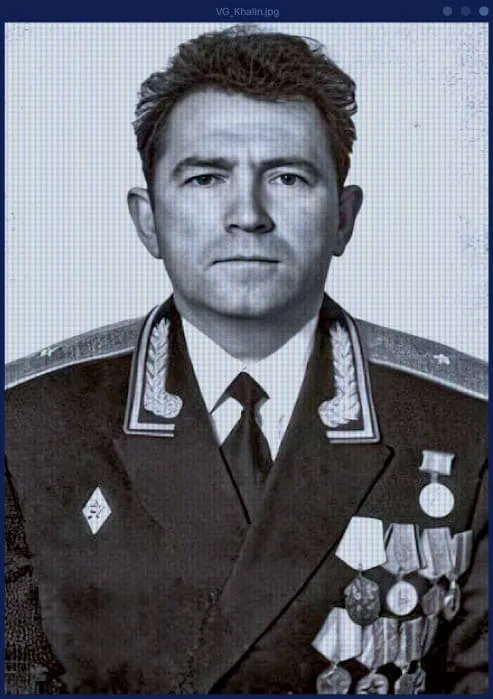
Retired Major General V. G. Khalin, who participated in developing the original Perimetr in the 1970s, recounts how between 2005 and 2010 he was one of the leading specialists in charge of modernising the system, allegedly following a secret decree from Russia’s president, Vladimir Putin.
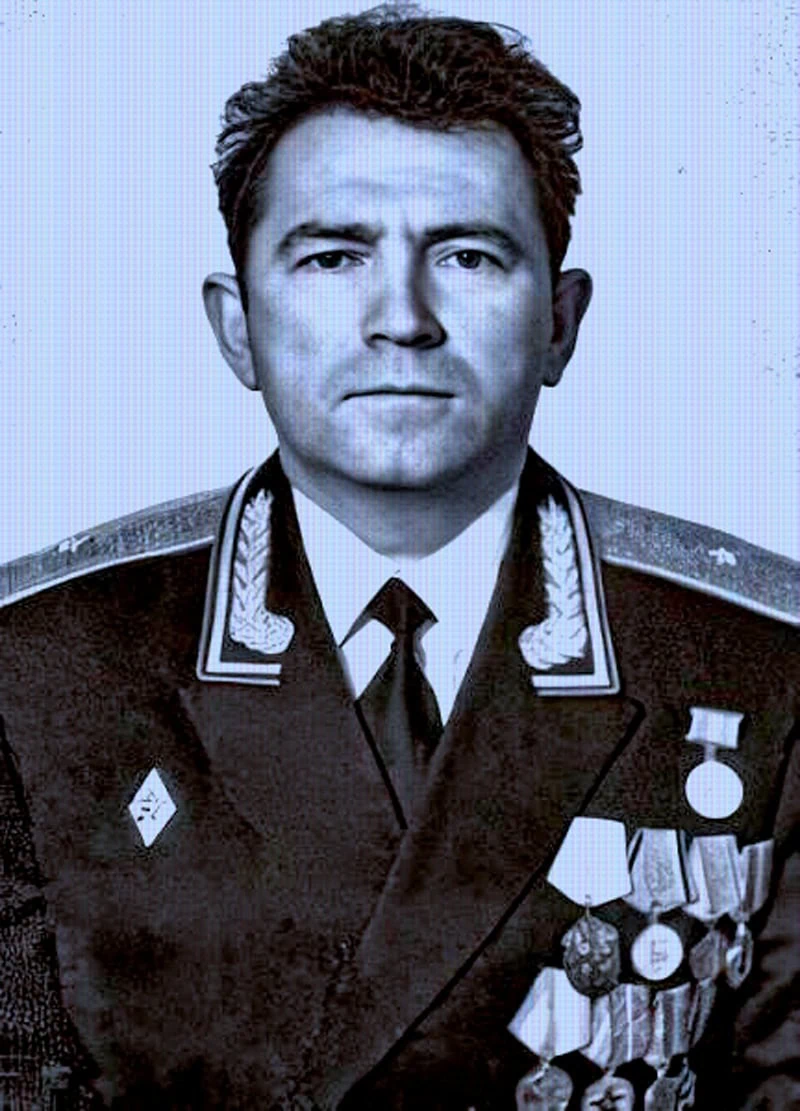
Khalin describes how Perimetr’s “automation system” has been updated and how the system’s “technical capabilities” have been strengthened with, among other things, mobile command posts and space-based communications.
“If necessary, the Strategic Missile Forces will fulfil the historic mission of retaliation against the enemy who violates our independence,” Khalin wrote in January 2026.
According to experts, Major General Khalin’s descriptions are particularly striking because he is not speaking to the world press, but in a veterans’ magazine in Russia.
State secrets up for tender

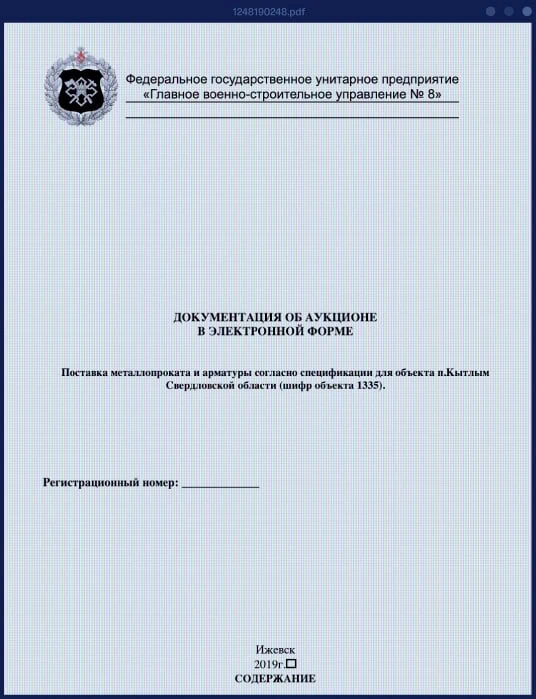
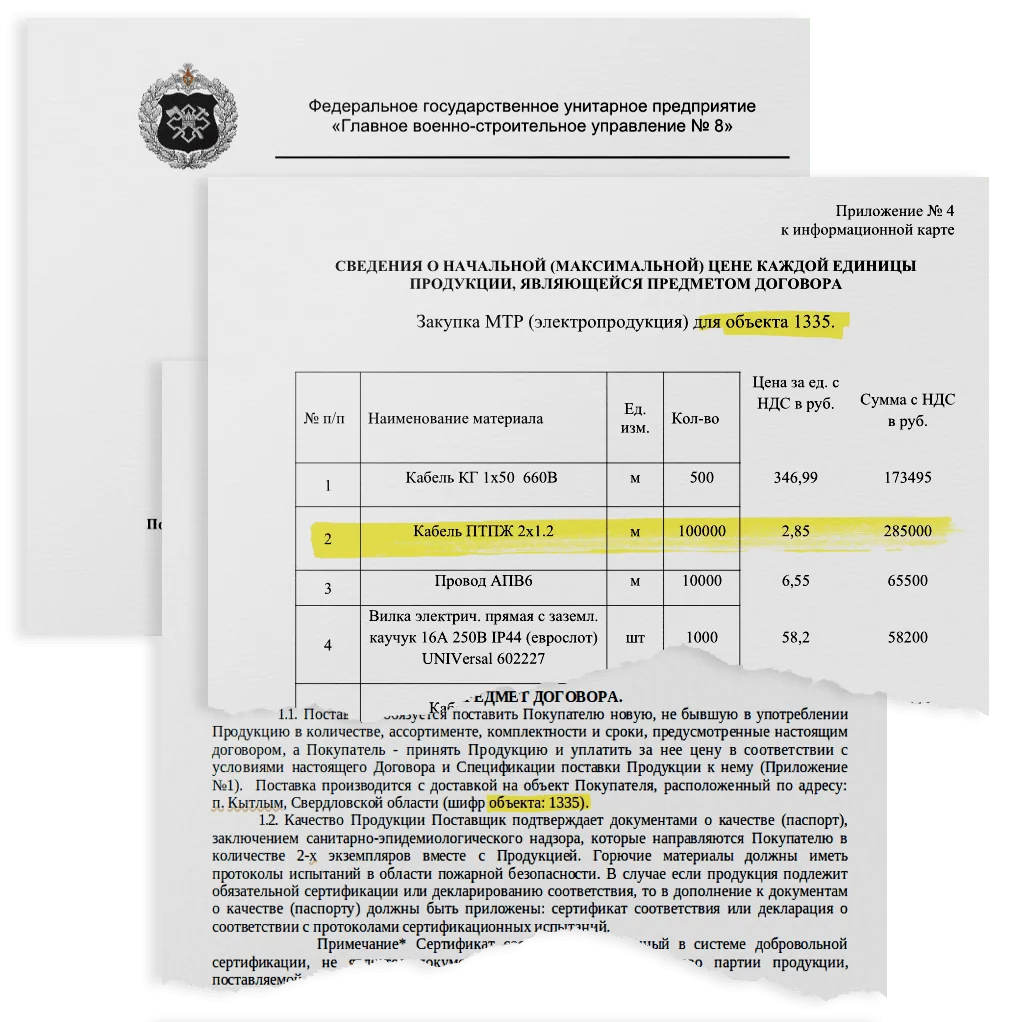
When the Ministry of Defence in Moscow set out to expand the bunker in the mountain near Kytlym in 2018, it was the 8th Main Directorate for Military Construction that handled the practical work.
Through thousands of individual tenders, the directorate ordered everything large and small for the construction work—from toilets, taps, rubber seals and reflective jackets to safes, electromagnetic locks and infrared sensors.
But heavy excavation machinery and rock-drilling equipment were also ordered, as well as ventilation equipment for mines and special air filters designed to handle chemical and biological materials and radioactive dust. And earthquake-resistant and explosion-proof electrical substations, heating equipment, lamps and electrical panels.
Then there were the building materials themselves: 22,000 tonnes of reinforcing steel and steel elements, 600 kilometres of electrical cables, 14,000 lamps and bulbs. Electrical infrastructure capable of powering small cities. And more than 56,000 tonnes of cement—enough to build several high-rise buildings.
“These are colossal quantities,” says Per Goltermann, professor at the Department of Construction and Mechanical Engineering at the Technical University of Denmark.
“With that amount of cement alone, you would typically be able to make around 150,000 cubic metres of concrete. In ordinary construction, that might correspond to between half a million and one million square metres of concrete elements. For military use, you would probably make the walls thicker—but even a conservative estimate would be at least 150,000 square metres of surface area,” he says.
“It is an enormous construction project.”
Even though great efforts were made in the tenders not to disclose more than absolutely necessary—for example by consistently using codes and numbers—individual passages among hundreds of pages in a few tenders still reveal some details about what lies hidden in the mountain.
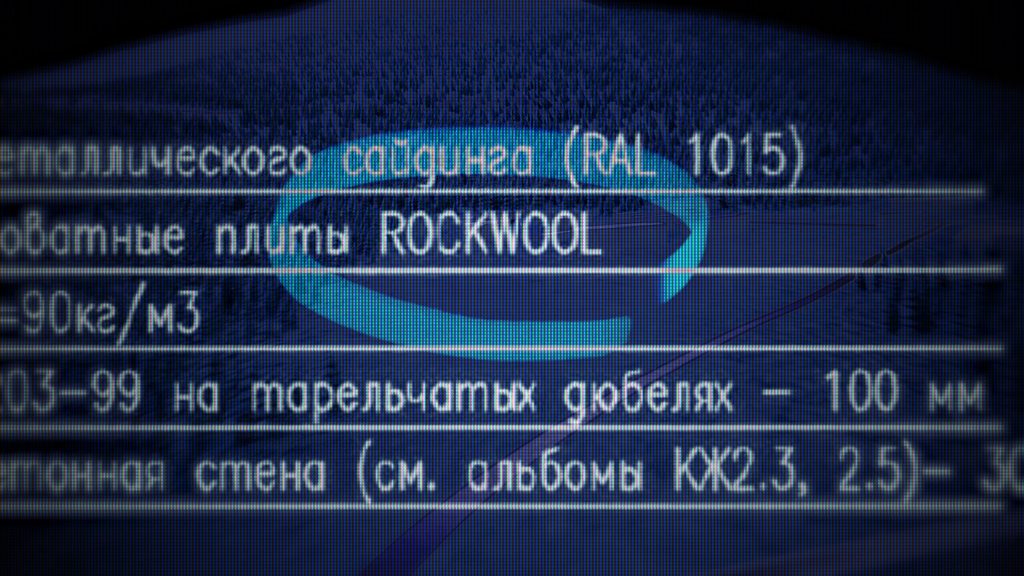
“Object 1335 is designed to contain a complex with equipment for control, communications and security systems, as well as permanent accommodation for personnel on combat readiness and in everyday life. Applicants must have an FSB licence to carry out work that constitutes a state secret,” one tender states, referring to the Russian intelligence service FSB.
Other documents spell out strict requirements for drivers delivering the materials, including a total ban on phones, computers and other electronics during deliveries.
There is nothing in the village of Kytlym or on the military base at the foot of the mountain that can explain the large quantities of construction materials. But satellite images reveal extensive excavation at the mountain’s entrances and exits. In addition, work has been carried out on what appear to be six new entrances into the mountain. Video: Louise Kock / Satellite images: Esri CIS | Esri | TomTom | Garmin | METI/NASA | USGS
Andy Weber, the former US assistant secretary of defense, believes our research in the tender material constitutes a very significant discovery. However, he speculates whether it could be deliberate on the Russians’ part that the West is now discovering Perimetr’s reactivation.
“There could be authorised leaks through the public tenders, because the fact that they are working on this is certainly not something they want to keep secret,” he says.
He refers to Stanley Kubrick’s classic black-and-white war comedy Dr. Strangelove from 1964, in which the Soviet Union has built a doomsday machine but has forgotten to tell the Americans about it—thereby robbing the doomsday machine of its deterrent effect.
“What good is such a system if the other side doesn’t know about it? Putin wants his adversaries to know that this system is operational,” says Andy Weber.
A way of buying precious time
In many ways, the Cold War peaked when Perimetr was first activated in the mid-1980s.
The number of nuclear warheads in the world had grown explosively in the preceding decades, and the Soviet Union in particular had seriously ramped up production. Between 1970 and 1980 alone, the Soviets built more than 18,000 new warheads and in 1979 they possessed more than the Americans for the first time.
While the United States and the Soviet Union began the first real disarmament negotiations in Geneva in the first half of the 1980s, Soviet engineers, according to the American journalist David Hoffmann—who in 2009 wrote the Pulitzer Prize-winning book Dead Hand—feverishly started digging into Mount Kosvinsky to establish a command centre in case a nuclear war broke out. In 1985, the Soviet Union activated Perimetr for the first time in this new underground complex.
Steven Pifer, who would later become the US ambassador to Ukraine and serve as a diplomat at embassies in Moscow, London and Warsaw, took part in the Geneva negotiations as an adviser to the US delegation.
He remembers it as a time defined by an extreme degree of paranoia from the Russian leadership where “the Soviets were not negotiating in a serious way,” he says. But at the time he did not know about the plans for Perimetr and only many years later became aware of its existence.
Still, it does not keep him awake at night that the Russians are once again working on Perimetr.
“My understanding is that the system was not really designed to deter the Americans. It was designed to give the political leadership in Moscow the confidence to cool down and say, look, if you are wiped out, there is a system in place that will retaliate. So maybe you do not need to react in panic, because you have that system as a fallback,” he says.
Even so, it makes him “a little bit nervous” to hear Major General V. G. Khalin’s statements that Perimetr’s “automation system” has supposedly been updated.
“At some point, it sounds like you are taking the human out of the loop,” he says.
The work at the Strategic Missile Forces’ facility in Mount Kosvinsky is part of a broader modernisation of nuclear weapons bases across Russia.
Last year, Danwatch, in collaboration with Der Spiegel, documented how dozens of facilities have been rebuilt with new infrastructure to handle a range of new nuclear weapons systems.
“The expansion of Object 1335 follows a broader upgrade of the nuclear forces that has been given high priority within the Russian armed forces,” says Tom Røseth of the Norwegian Staff College.
“Perimeter will once again be given priority now in a more tense geopolitical situation in which Russia sees itself as being in conflict with the West.”
Danwatch, The Sunday Times and Dossier Center have presented the research and the experts’ assessments to the Kremlin through its press office, as well as directly to the president’s spokesperson, Dmitry Peskov. They did not respond to our enquiries.